When Neighbors Look Out For Each Other
Here’s what gives me hope. We all watched Minneapolis navigate fear and disruption as ICE operations spread across the Twin Cities. But it was stories of courage, humanity and community that eclipsed the violent narrative.
Two south Minneapolis businesses – Pow Wow Grounds and All My Relations Gallery – transformed into a hub of mutual aid for the Native American community, as Indigenous residents and others in the area responded to enforcement activity and its ripple effects. The space has become a place to collect donations and offer support for community members. “Out of all of the negativity and the violence that is happening out there, having a place like this that has so much love, and caring, and kindness…," said Rachel Dionne-Thunder of the Indigenous Protector Movement.
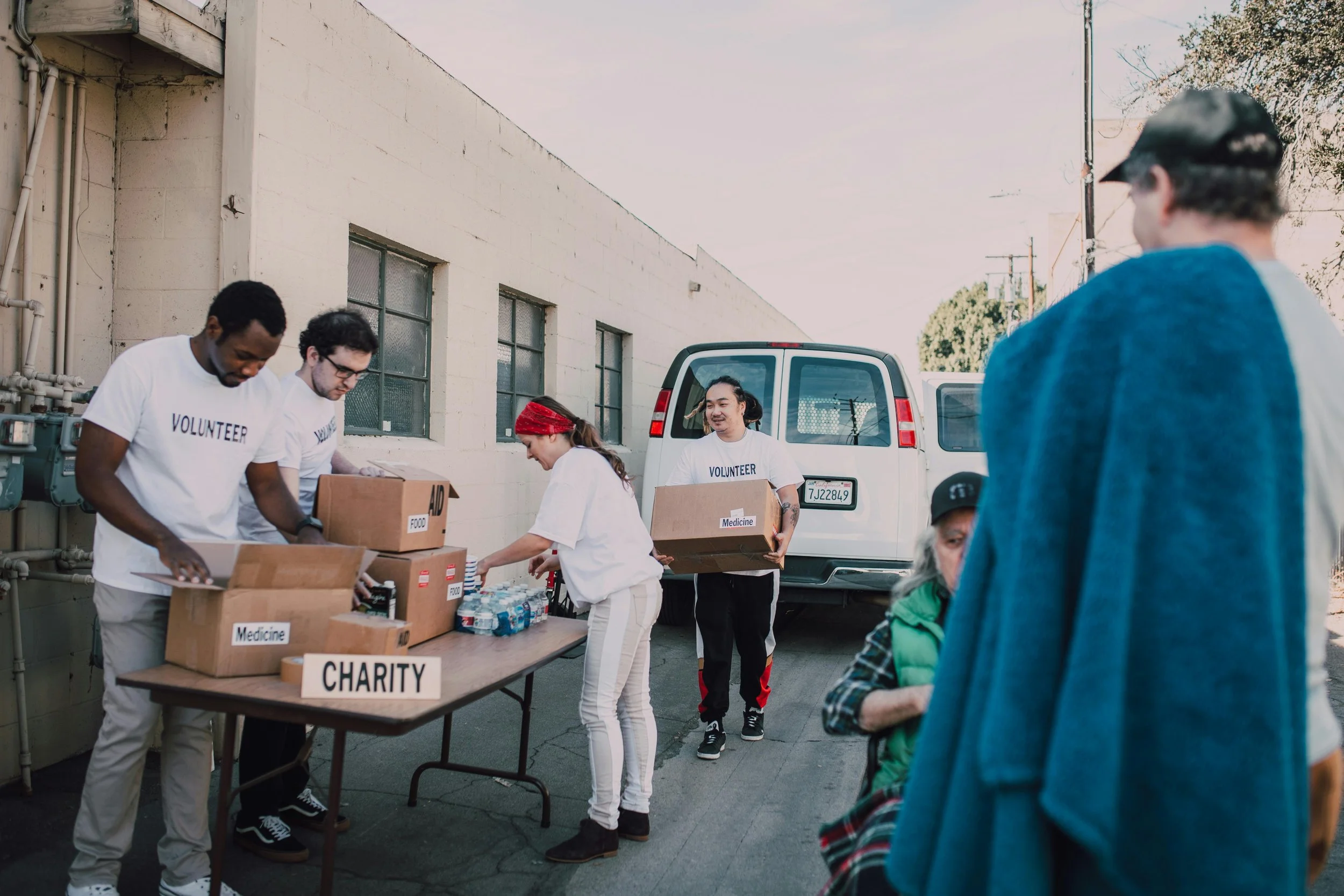
Across the city, neighbors organized coat drives for people released from detention into the cold. Volunteers showed up to meet them so no one emerged alone. “There is so much fear… and yet you see people coming together in ways that I think give me a lot of hope,” U.S. Senator Tina Smith reflected.
Others have stepped in to address a quieter crisis unfolding indoors. While families stayed home from work out of fear, rent still came due. One private citizen, Ashley Fairbanks, put out a call on social media asking for urgent help for twelve families. Within hours, their rent was paid. The effort grew, with others launching similar campaigns and raising funds for dozens more households.
This is what makes mutual aid “mutual”. Rather than charity flowing in one direction, it is neighbors lifting each other up, recognizing that any of us could be the next one in need.
While these gestures may seem small against the backdrop of national headlines, this is where belonging takes its deepest root, when people organize themselves to show up for each other with the message that we are not alone.
Care as Social Infrastructure
There are many ingredients that go into building tightly knit communities, but one of the most important are informal networks of care that offer support to people who need it, and give others the chance to help each other.
When strangers can rely on one another, communities become more resilient, more humane, and more connected. It literally FEELS different living in a community like this, knowing that at any time your neighbors have your back, and you can support them. You could hear it again and again in the tearful testimonials of regular Minneapolis residents - how awed they were to see this mass upswell of generosity and humanity across their city.
Moments of Crisis
The good news is that in times of collective stress, many people do meet the moment, organizing generously to support each other.
Last year, when fires ravaged Los Angeles, mutual aid networks quickly emerged to board animals, provide meals, staff shelters and distribute clothing to those who’d lost everything.
Mutual aid is often a crisis response, but when we develop the habits and networks before a crisis, we are so much better equipped to rise to the occasion with immediate support. And when the crisis recedes, we’re left with new bonds, relationships and a sense of “mutual trust” in our neighbors, that we have each others’ backs, that my community will be here for me when I need it.
Mutual aid builds community.
When we look more closely, we can see how this community building happens. Acts of care move through existing relationships, group texts, neighborhood chats, faith communities, and the leaders and doers who notice a need and help connect people to one another.
From Kindness to Culture
What makes these efforts powerful is not any single act of care, but the web they create. When people experience mutual support, something shifts:
Asking for help becomes easier.
Offering help feels normal, not intrusive.
People stop seeing themselves as strangers and start seeing themselves as part of a network with shared responsibility.
The movement grows - more and more people step up and get creative with caring solutions.
This is how culture begins to shift: through repeated, visible practices that signal we look out for each other here.
And importantly, this kind of belonging can’t be sustained by goodwill alone. It needs structure and intention to thrive.
Designing for Mutual Support
Communities that foster this kind of care don’t leave it to chance. They create conditions that make support visible, shareable, and accessible.
Some examples of what this can look like:
Clear, low-barrier ways to ask for help (a shared board, group chat, or designated point person).
Simple systems for offering support (meals, rides, check-ins) without putting the burden on one individual.
Roles or norms that encourage people to notice who might need support and follow up.
Language that frames mutual aid as part of community life, not a favor or emergency response.
Regular reminders that everyone has something to give, even in small ways.
These practices don’t require everyone to participate all the time - they simply make it easier for care to circulate when it’s needed.
An Invitation
As you think about the places where you live and belong, I invite you to reflect:
How easy is it for people to ask for help here?
How visible are acts of care?
What small structures might help neighbors look out for one another more consistently?
Belonging grows strongest when people know they don’t have to face life alone. When communities intentionally design for mutual support, especially in everyday moments, they become places where people feel safer, more connected, and more willing to show up for each other when it matters most.
That kind of community doesn’t happen by accident. It’s built, one act of care at a time.
If this resonates with you, consider where small acts of care could strengthen belonging in your community. Feel free to share this with others, or reach out if you’d like to think together about how to make support more visible and accessible.
Reporting referenced in this issue: